
Before the Chip-Seal Trucks
Turn an Existing Road Into a Strong Starting Point
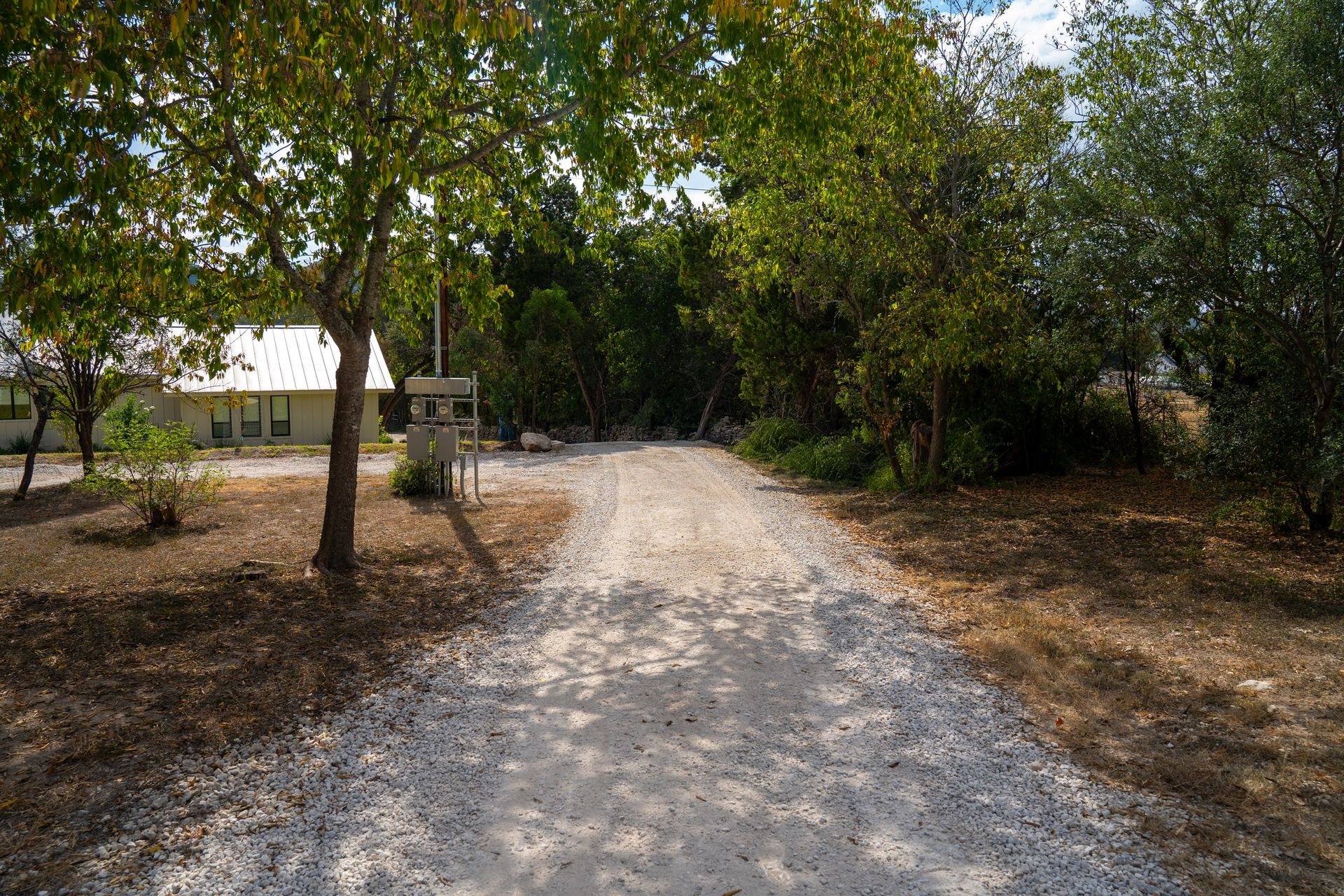
A gravel or caliche road may look smooth after the grader and still have weak places underneath. Preparing it for chip seal means building a firm route with consistent shape, repaired trouble spots, and a clean surface ready for the paving run.
Good to know
Road preparation guide
Walk the Full Route
One good stretch does not speak for the whole road
Material can change from the gate to the far end. Wheel paths, turns, branches, soft spots, loose depth, and worn edges show where the work will need to change with it.
Build Firm Support
Correct the places that move under traffic
Soft or pumping areas may need unsuitable material removed, new material added, moisture brought under control, and compaction before surfacing.
The regular vehicles on the road matter. Passenger traffic, trailers, deliveries, and equipment do not ask the same thing from a weak stretch.
Follow the Pattern
Recurring ruts and washouts deserve a real fix
When the same problem returns after grading, smoothing the top is not enough. The preparation should address why that part of the road keeps losing shape.
Grade the Route
Build a steady driving line from edge to edge
Grading brings turns, approaches, low places, shoulders, and transitions into one consistent road. The finished shape should drive well and guide rain away.
Move the Water
Keep runoff from cutting through fresh work
Standing water softens material. Concentrated runoff can strip edges and carry loose stone. The road shape and existing outlets need to work together.
Base and grading workReady for Application
Finish with a clean, compacted road and room for the crew
Repairs, shaping, compaction, and surface cleanup should be complete before binder and aggregate arrive. The route also needs enough room for material trucks and paving equipment to move safely.
Gravel or Caliche Today?
Tell Rafferty Paving where the road loses shape
Include what happens after rain.