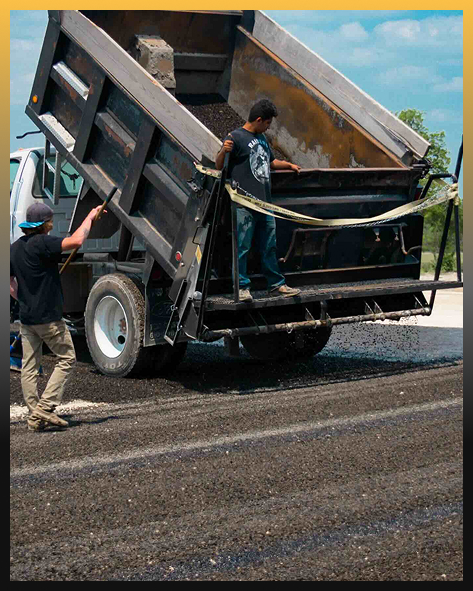
Rafferty Paving provides chip seal paving for ranch roads, residential driveways, winery access lanes, and private routes across Stonewall. This practical paving option helps protect aging asphalt, improve traction, and extend surface life while keeping project costs more manageable than full replacement for property owners who need reliable access and long-term value.
Durable, Long-Lasting Asphalt Surfaces
Book Your FREE
Consultation Today
By pressing '
Get a Free Quote' you are agreeing to our terms and conditions and privacy policy, and consenting to receive text messages. To unsubscribe, text STOP to
830-285-0449.
Reliable work, practical results
Choose Rafferty Paving for Trusted Chip Seal Paving in Stonewall, TX That Fits Rural Properties
Consistent Results for Working Properties: Rafferty Paving plans each paving project around the way a property is actually used, whether that means a ranch entrance with regular truck traffic or a long residential drive. That reliability helps owners schedule improvements with more confidence and avoid unnecessary disruption to daily access.
Surface Attention That Matches Local Conditions: Rafferty Paving reviews existing pavement wear, edge stability, and traffic patterns before application so chip size and coverage make sense for the site. In Stonewall, TX, that detail matters on long approaches, vineyard access lanes, and private roads exposed to steady sun and seasonal runoff.
Practical Process for Different Property Types: Rafferty Paving handles chip seal paving for country homes, ranch properties, shared lanes, and light commercial entrances where full resurfacing may not be necessary. That flexible approach makes Trusted Chip Seal Paving in Stonewall, TX a sensible option when owners want surface renewal without overbuilding the project.
Why Trusted Chip Seal Paving in Stonewall, TX Makes Sense for Rural Access Routes
Heat and Weather Gradually Break Down Pavement: Sun exposure, rain, and changing temperatures can dry out surface binders and leave older pavement more vulnerable to cracking and raveling. A protective treatment helps slow that process, especially on roads and driveways that stay exposed through long Texas summers.
Daily Property Demands Require Dependable Access: In Stonewall, many properties rely on private paved routes for commuting, agricultural work, guest arrivals, and service vehicles. Maintaining those surfaces supports smoother daily movement and helps reduce the stress that comes with rougher, more worn access points.
Appearance and Upkeep Matter for Private Roads: Worn pavement can affect how a property feels to residents, visitors, or tenants, especially where entrances create a first impression. A refreshed surface can improve readiness for regular use while helping properties meet the practical expectations common in well-kept rural communities.
Frequently Asked Questions About Paving in the Texas Hill Country
Does Chip Seal Paving in Stonewall, TX work for a bed and breakfast entrance with regular guest vehicles?
It can be a practical fit for light-to-moderate traffic areas where owners want improved surface protection without full reconstruction. Rafferty Paving can review guest access routes, turning areas, and current pavement condition to determine whether chip seal suits that property layout.
How far in advance should a landowner schedule Chip Seal Paving in Stonewall, TX before a harvest season or busy event period?
Scheduling ahead is helpful because surface work depends on weather, site readiness, and traffic planning around active property use. Rafferty Paving can help landowners coordinate timing so paving aligns better with seasonal operations, guest arrivals, or other high-traffic periods.
What should property owners ask about drainage before choosing Chip Seal Paving in Stonewall, TX for a sloped driveway?
Owners should ask whether water currently runs off properly, pools near edges, or crosses the driving surface during storms. Rafferty Paving can assess slope-related concerns and explain whether drainage corrections or localized repairs should be addressed before surface treatment is applied.